

Article: How Much Does a Shinto Wedding Really Cost in Japan? A Transparent Breakdown for International Couples
How Much Does a Shinto Wedding Really Cost in Japan? A Transparent Breakdown for International Couples
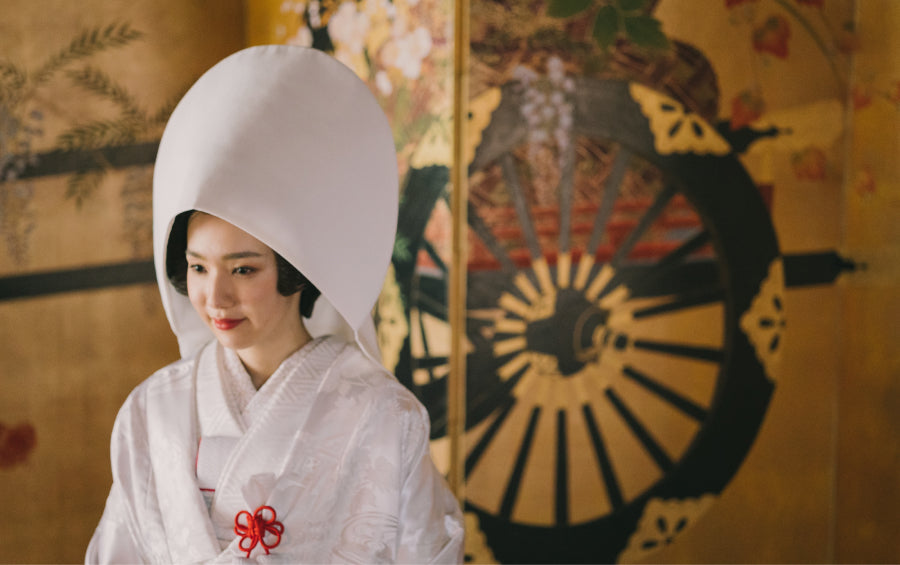
In short: A WAKON STYLE Shinto wedding package starts at ¥220,000 including tax, while the separate shrine offering fee is usually around ¥100,000. A practical starting estimate is therefore about ¥300,000, before optional photography, video, or bridal headwear; actual costs vary by shrine and selected services.
If you have spent an evening searching for "how much does a Shinto wedding cost" and come away with nothing more concrete than "it depends," you are not alone. International couples planning a wedding in Japan consistently say the same thing: the price of a Shinto ceremony is one of the hardest numbers to find online. This guide sets out the actual figures behind a WAKON STYLE Shinto wedding, so you can plan a realistic budget before you start comparing shrines or dates.
Cost is also, in practice, the question couples raise most often when they first get in touch. Alongside the yen amount itself, many ask how it will translate once currency movements are factored in, since exchange rates shift and a package priced in yen can look different depending on when you check it. This guide will not attempt to fix a dollar, euro, or pound figure for that reason: the yen amounts below are the ones actually published, and converting them at the time you are budgeting will always be more accurate than a number fixed on the page you are reading today.
Table of Contents
- How much does a Shinto wedding cost in Japan?
- What is included in the ¥220,000 Shinto wedding package?
- What is hatsuho-ryo, and why is it charged separately?
- What optional costs should international couples plan for?
- How can you build a realistic Shinto wedding budget?
- FAQ: Shinto wedding costs
- Who supervised this guide?
How much does a Shinto wedding cost in Japan?
For a WAKON STYLE Shinto wedding, the package starts at ¥220,000 including tax, and the shrine offering fee is approximately ¥100,000 on top of that. Together, these two figures make about ¥300,000 a useful starting estimate, although the final amount depends on the shrine you choose and any optional services you add.
It helps to think of the total cost in three separate layers, rather than as a single number:
| Cost item | Starting estimate | Included in the ¥220,000 package? |
|---|---|---|
| Shinto Wedding Package | ¥220,000〜 | — |
| Hatsuho-ryo (shrine offering fee) | approx. ¥100,000 | No |
| Practical starting total | approx. ¥300,000 | — |
WAKON STYLE's FAQ gives ¥300,000 as a practical planning baseline, not a fixed, guaranteed price. Shrines set their own offering fees, and some couples add services that raise the total. Understanding which layer each cost belongs to is the first step toward a budget that will not surprise you later. The full Shinto Wedding Package details lay out the current breakdown if you would like to check it yourself.
What is included in the ¥220,000 Shinto wedding package?
The package covers one bridal kimono, the groom's formal kimono, accessories, dressing, bridal hair and makeup, bilingual interpretation, a dedicated assistant, shrine or temple selection and booking, and overall preparation support. The shrine offering fee and optional photo or video services are separate from this price. Couples who want photography bundled in can compare the current Type 2 ceremony-and-photo plan described below.

What attire and styling are included?
The bride's attire is one traditional kimono, chosen from styles such as shiromuku (a white kimono) or iro-uchikake (a colored kimono), along with the matching accessories worn with it. The groom wears montsuki haori hakama, the traditional formal kimono and hakama combination. Professional dressing and bridal hair and makeup by Japanese staff are included, so neither partner needs to arrange these separately. If you want to understand these garments in more depth, including how the styles differ and how they are traditionally worn, a closer look at wedding attire is covered in a companion guide on what to wear to a Shinto wedding.
What planning and language support are included?
Beyond the clothing itself, the package covers a dedicated assistant who accompanies the couple, along with English-Japanese interpretation throughout the process, plus shrine or temple selection and booking, and general support for the ceremony and its preparation. Items such as legal marriage registration, catering for a separate reception, and transport or accommodation are not listed among these package inclusions, so if you need any of them, confirm separately with your coordinator.
For a couple planning from another country, this is often where the real value of the package becomes clear. Choosing a shrine, confirming its rules, and communicating with shrine staff in Japanese are all tasks that are difficult to do well from abroad, particularly if neither partner speaks Japanese. Having this coordination built into the package is part of what makes it practical to plan a ceremony in Japan from overseas.
What is hatsuho-ryo, and why is it charged separately?
Hatsuho-ryo is an offering paid to the shrine for conducting the ceremony, and it is separate from the wedding producer's service package. For planning purposes, WAKON STYLE advises allowing approximately ¥100,000, although the exact amount varies by shrine.
It is worth keeping this distinction clear as you plan: the ¥220,000 package pays for WAKON STYLE's coordination, attire, and support, while hatsuho-ryo is a separate payment made to the shrine itself for performing the ceremony. Because each shrine sets its own figure, the amount can be somewhat higher or lower than the ¥100,000 estimate, and it is confirmed as part of the booking process for your specific shrine rather than fixed in advance for every location.
This is also a detail that couples researching costs from abroad often miss, because English-language sources rarely explain hatsuho-ryo at all, let alone separate it clearly from a producer's service fee. Knowing that the two figures serve different purposes, one paid to the venue and one paid for the planning and support around it, makes the overall total easier to reason about, even before you have chosen a specific shrine.
What optional costs should international couples plan for?
Optional costs depend on the selected plan and shrine. The figures below are for separately published options; photography is covered by the current Type 2 plan described after the table.

| Optional service | Starting price | Notes |
|---|---|---|
| Video filming and editing | ¥110,000〜 | A five-minute highlight video; some shrines restrict filming |
| Wataboshi (bridal head covering) | ¥11,000〜 | An optional styling choice for the bride |
| Tsunokakushi with wig | ¥27,500〜 | An optional styling choice for the bride |
| Bunkin takashimada hairstyle | ¥27,500〜 | An optional traditional hairstyle |
These figures are worth budgeting for separately rather than assuming they are automatically covered, since they can add a meaningful amount to your total once you have decided which of them matter to you. Transport, accommodation, a wedding reception, guest catering, and cancellation policies are not covered in the figures above, since WAKON STYLE has not published fixed rates for these, and they should be confirmed directly when you are ready to book.
The current brochure lists Type 2, “Wakon ceremony + Photo-shooting plan,” at ¥275,000 including tax and interpretation. It is not a photo-only package. Photography takes place around the shrine or temple precincts or during the ceremony, with approximately 150 images and selected data delivered in about 30 days. The shrine's ceremony fee, approximately ¥100,000, is separate.
How can you build a realistic Shinto wedding budget?
Start with the package price and the shrine offering fee, then add only the services you already know you want, such as photography or video. Confirm the current package price, shrine fee, and any venue-specific restrictions before you book, rather than relying on a broad market average.
Step 1: Separate required and optional items
Begin by treating the ¥220,000 package and the roughly ¥100,000 shrine offering fee as your two required costs. From there, add optional items only if they genuinely matter to you: professional photography, video, or a particular bridal headwear or hairstyle. Building your budget in this order keeps the required baseline clear and prevents optional extras from being mistaken for part of the core price.
Step 2: Confirm shrine-specific conditions
Because hatsuho-ryo, guest capacity, and photography rules can all differ from one shrine to another, it is worth confirming these details for your specific shrine rather than assuming they match the general figures in this guide. If you have not yet chosen a shrine, a companion guide on how to choose a shrine for your Shinto wedding walks through how to weigh these factors, and a guide to what actually happens at a Shinto wedding covers the ceremony itself in more detail.
Step 3: Recheck prices before booking
Published prices can change, and WAKON STYLE recommends confirming the current package price and shrine offering fee directly before you finalize a booking. This guide reflects figures confirmed against WAKON STYLE's own package page, but your coordinator can give you the most current numbers for your preferred date and shrine.
FAQ: Shinto wedding costs
Confirm whether each quoted amount covers the package, the shrine offering, or an optional service. The following short answers clarify the cost questions international couples most often need to check before booking.
Is the shrine offering fee included in the package price? No. The approximately ¥100,000 shrine offering fee is separate from the WAKON STYLE package price and varies by shrine.
Does the package include wedding attire? Yes. It includes one bridal kimono, the groom's formal kimono, accessories, dressing, and bridal hair and makeup.
Are photography and video included in the starting price? No. Professional photography and video are optional services with separate starting prices, and filming rules vary by shrine.
How long does a typical Shinto ceremony take? A ceremony usually takes about 30 minutes, although the exact timing can vary by shrine.
How far in advance can we book? Some shrines accept reservations up to one year in advance, but availability and booking windows differ by shrine.

Who supervised this guide?
Supervised by Etsuko Inoue, WAKON Wedding Producer
View Etsuko Inoue's full profileEtsuko Inoue has produced international Shinto weddings since 2017 and confirmed the package details in this guide. Her profile shares more about her background.
If you want to confirm the current package price, shrine offering fee, and available options for your preferred date, contact WAKON STYLE before finalizing your budget.
Contact Us

