

How Far in Advance Should You Book a Shinto Wedding in Japan? A Month-by-Month Timeline
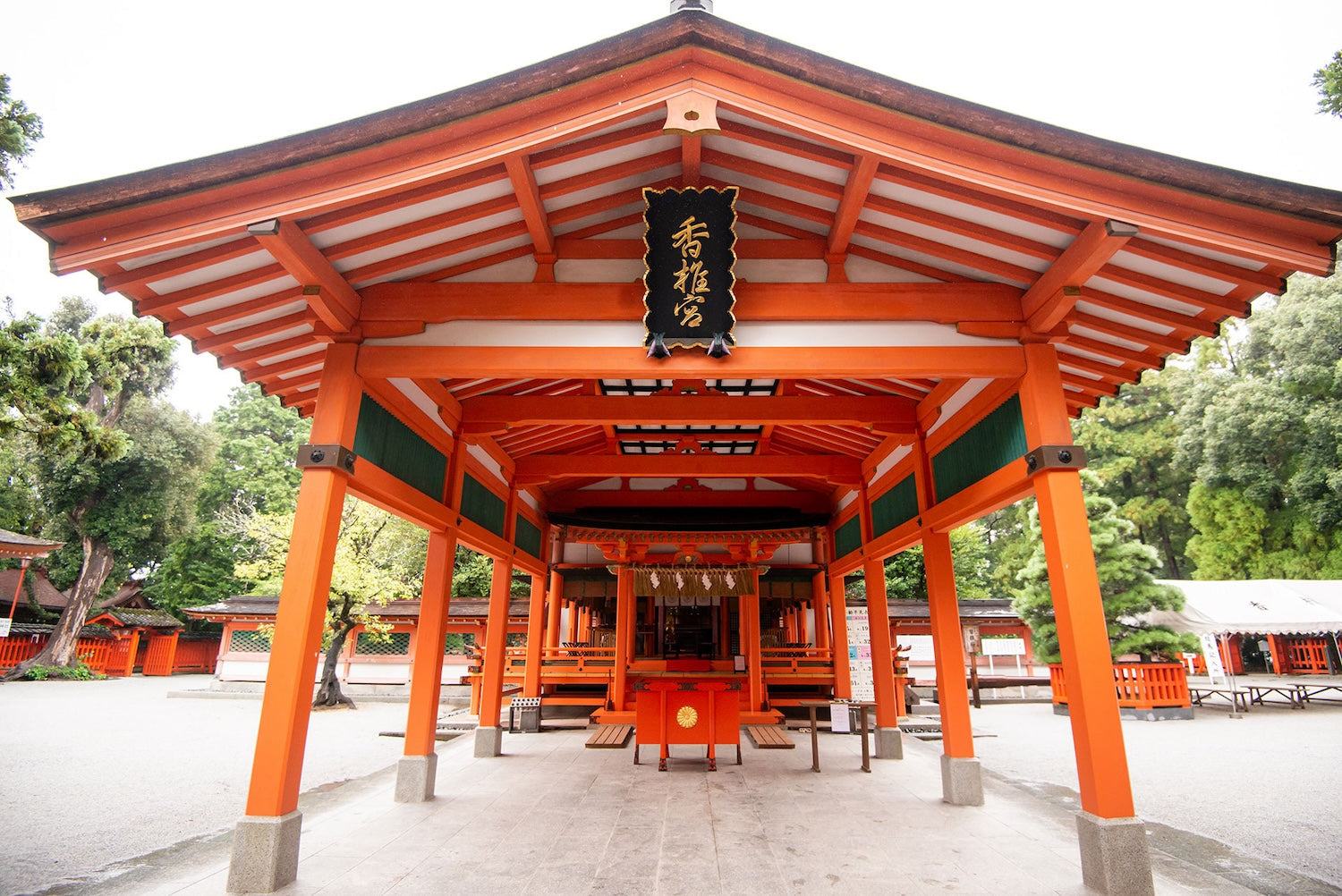
In short: Standard preparation for a Shinto wedding with WAKON STYLE takes about 2 to 6 months. Shrine reservations themselves can often be made up to a year in advance, though this varies by shrine, and popular dates are worth securing early. A minimum of two weeks is possible, but only as an exception, and only if your venue, beauty appointment, and photographer are already arranged — WAKON STYLE still recommends allowing more time. This guide lines up every deadline that is currently scattered across separate pages into a single timeline.
If you have started looking into a Shinto wedding, you have probably already run into three different numbers. One page says preparations typically take two to six months. Another says as little as one month is possible if needed. A separate answer buried in the FAQ says two weeks can work. None of these numbers are wrong, but none of them tell you which one applies to you, and reading them in isolation is a reasonable way to end up more confused than when you started.
This guide does not add a new number to the pile. It takes the deadlines that already exist across WAKON STYLE's pages, some fixed, some conditional, and lines them up on a single timeline so you can see where you currently stand and what happens next.
Table of Contents
- How far in advance should you book a Shinto wedding?
- A month-by-month timeline
- What if you only have a few weeks?
- Which deadlines are the ones to actually plan around?
- When is the booking actually confirmed?
- Does the season change the timeline?
- Who supervised this guide?
How far in advance should you book a Shinto wedding?
Standard preparation takes about two to six months. Shrine reservations themselves can often be made up to a year ahead, though this depends on the individual shrine, and a minimum of two weeks is possible only as an exception, when specific conditions are already met.
Three separate numbers are in play here, and they are not competing answers to the same question. They answer three different questions:
- Two to six months is how long preparation typically takes from a standing start: choosing a shrine, arranging attire, confirming options, and finalising a contract.
- One year is how far ahead a shrine reservation can be made, not how long preparation takes. Popular dates and venues fill up well before the wedding itself would otherwise need to be arranged, which is why an early shrine booking and a shorter overall preparation window can both be true at once.
- Two weeks is not a standard timeline at all. It is the floor for a specific, narrower case covered later in this guide, and WAKON STYLE pairs it with a direct recommendation to allow more time where possible.
If you are at the very start of planning, the two-to-six-month window is the number to build around. The rest of this guide exists to show you what happens inside that window, and where the exceptions and hard limits sit.
If you are still deciding whether to visit Japan before the wedding at all, that decision sits upstream of everything on this timeline; our guide on whether you need to visit Japan before your wedding covers it separately.
A month-by-month timeline
Here is where every deadline currently published across WAKON STYLE's pages sits on a single timeline, working forward from a year out to the month after the ceremony. Not every row is a hard cutoff. The right-hand column tells you which kind of deadline you are looking at, because treating a recommendation as a fixed rule, or a fixed rule as a loose guideline, causes the same confusion this guide is meant to remove.

| Timing | What happens | Nature of the deadline |
|---|---|---|
| Up to around 1 year before | Shrine reservations open; popular dates and venues are worth securing early | Varies by shrine |
| 6 to 2 months before | The standard window in which most preparation, from shrine and attire decisions to the contract, is completed | Typical range |
| 1 month before (minimum) | The shortest timeline WAKON STYLE can accommodate if preparation starts late | Accommodated if needed |
| 1–3 months before | Reserve wedding attire; exact timing depends on the selected garment and availability | Recommended booking window |
| 2 weeks before | If you are wearing a tsunokakushi, a fitting to measure head size for the semi-order wig | Required for this option |
| 2 weeks before (minimum) | The absolute floor, and only if venue, beauty appointment, and photographer are already arranged | Exception, not recommended |
| At least 2 days before | Arrival in Japan; arriving the day before the ceremony is specifically discouraged | Recommendation |
| Before the wedding day | Remaining balance settled by online credit card payment | Payment step |
| About 1 month after the ceremony | Wedding photos delivered by email as a download link | Standard process |
Read the attire and tsunokakushi rows together. Reserving attire one to three months ahead leaves time for the separate wig fitting when a tsunokakushi is selected.
What if you only have a few weeks?
Only if three things are already in place: your venue, your beauty appointment, and your photographer. With those arranged, preparation in as little as two weeks is possible, but WAKON STYLE recommends allowing more time wherever you can.

This is worth reading carefully rather than treating as good news. It is not a shortcut available to everyone who is simply in a hurry; it is a floor that applies only when your venue, beauty appointment, and photographer are already arranged. For most couples starting from nothing, two weeks is not a realistic target, and the two-to-six-month standard window earlier in this guide is the one to plan against.
If you are working against a short deadline for reasons outside your control, such as an already-booked trip to Japan, it is worth raising that directly during the free consultation rather than assuming the two-week case applies to you by default. The case where a short timeline is most workable is a ceremony for the couple alone, since there is no guest list to coordinate around the date.
Which deadlines are the ones to actually plan around?
Three points matter most. Reserve wedding attire about one to three months before the ceremony, with the exact timing confirmed for the selected garment. If you are wearing a tsunokakushi, a fitting is needed by two weeks before the ceremony to measure head size for the semi-order wig. Arrival in Japan is recommended at least two days before the wedding day, with arrival the day before specifically discouraged.
These points sit in a deliberate order: reserve the attire first, then complete any required tsunokakushi fitting on schedule.
The arrival guidance is a different kind of limit from the other two. Nothing stops you booking a flight that lands the day before; what the recommendation protects you from is a delayed flight or a rough landing meeting a wedding morning that starts early. Treat it as the one you break at your own risk rather than the one someone else enforces. If your trip to Japan is being planned as one continuous block, our guide on how many days you need in Japan for a Shinto wedding sets out how the arrival buffer and the wedding day itself fit together.
If it applies to you, a custom-sized piece requires special ordering rather than being pulled from standard stock, and WAKON STYLE asks couples whose measurements fall outside the standard range to consult in advance. That makes sizing a question to settle before the attire reservation window rather than at it. Our guide on whether a wedding kimono will fit you covers the measurements involved and what a custom order entails.
When is the booking actually confirmed?
Not at the point of inquiry, and not at the point of receiving an estimate. Per the Important Information Before Booking page, the booking is confirmed once a 100,000 yen deposit has been paid.

Everything before that point, the initial inquiry, the free consultation, confirming attire preferences and sizing, and receiving a shrine-based date proposal and estimate, is preparation for a decision rather than the decision itself. The Steps to Shinto Wedding page sets out that sequence in full; what matters for this timeline is that none of those earlier steps hold your date. A shrine's availability can still change until the deposit is received and the contract is finalised.
The Steps page describes what each stage of the process involves. This guide is concerned with when things need to happen relative to your wedding day. Read together, one tells you what you are doing and the other tells you by when.
Once the deposit has confirmed the booking, the remaining balance is settled later, before the wedding day, by online credit card payment. What the deposit figure tells you is when your date is held, not what the wedding will cost in total, so it is not a number to build an estimate from.
Does the season change the timeline?
It can, mainly on the shrine reservation side rather than the preparation side. WAKON STYLE recommends securing popular dates and venues early, and that recommendation matters most if the date you have in mind falls in a period that is already busy for travel in Japan generally.
The published two-to-six-month preparation window is not itself tied to the season, though venue availability may require you to start earlier. What can change is how early the shrine booking window effectively closes for a date that is in demand. Which dates those are is not something this page can rank for you, and it varies by shrine in any case. If you have a season in mind rather than a fixed date, it is worth deciding that first: our guide on the best time of year for a Shinto wedding sets out how the seasons compare before you start working backward from a date.
For the full picture of what a Shinto wedding with WAKON STYLE involves, the Shinto wedding overview is the main reference, and the FAQ covers the smaller practical questions that come up once your timeline is in place.

Who supervised this guide?
Supervised by Etsuko Inoue, WAKON Wedding Producer
View Etsuko Inoue's full profileEtsuko Inoue has produced international Shinto weddings since 2017. Her profile shares more about her background and how she works with couples planning a wedding in Japan.
If you want to know exactly where your own timeline stands, contact WAKON STYLE with your target date and current stage of planning, and we can tell you what still needs to happen before it.
Contact Us

