Real Wedding Story
02


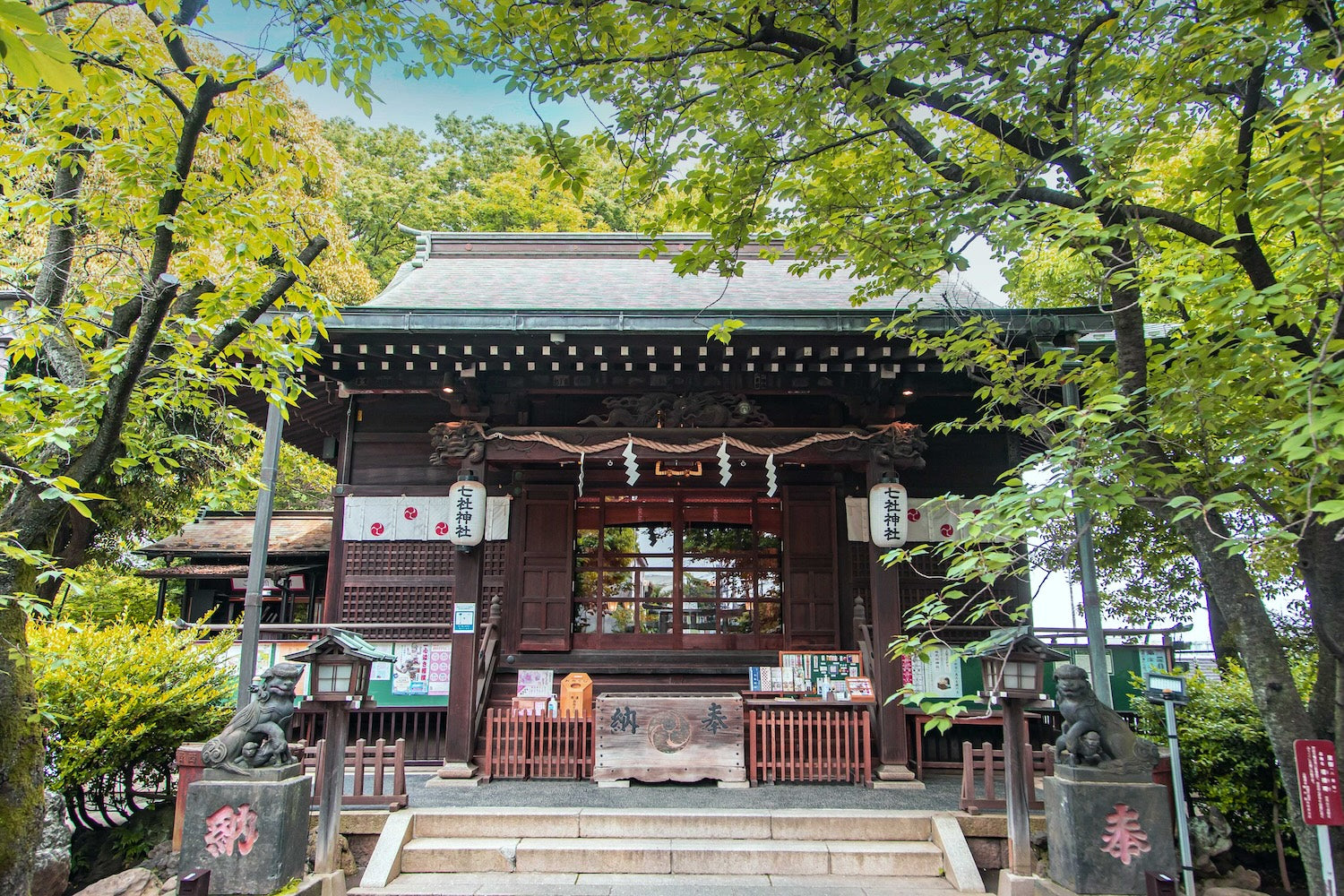
In short: Generally, visits to Japan for wedding preparations are not necessary. The process, from choosing a date to selecting attire, is handled by email, and email support is available in English only. An advance shrine viewing may still be possible, but only where the shrine permits it and a reservation is made, and no interpreter is provided for one. Either way, WAKON STYLE can only arrange reservations at a limited selection of shrines, so the shrines available for an advance visit are the same limited list you would be choosing from online.
Planning a wedding at a shrine you have only seen in photographs is not a small leap of faith. You are choosing a venue, agreeing to a date, and sending a deposit for a ceremony that, for most couples, they will only experience for the first time when they land in Japan. It is a reasonable thing to hesitate over, and it is the question almost every couple asks before they inquire: do we need to go there first to know if this is right?
This guide walks through what is actually decided online, step by step, and where a site visit fits if you want one. It does not tell you that a visit is unnecessary in the sense of being off-limits, because it is not. It sets out what is true either way, so you can decide for yourself whether an advance trip adds anything for your situation.
Generally, no. WAKON STYLE handles the groundwork by email, so visits to Japan for preparations are not normally necessary. Advance viewing may be possible only when the shrine permits it and a reservation is made beforehand.
An online-first process exists because most of what needs deciding, budget, date, attire, the shape of the day, does not actually require standing at the shrine to decide it. What a site visit adds is a sense of the place. Some couples value that enough to build a trip around it; others are happy to skip it entirely. Neither choice is wrong.
Nearly everything up to the day itself. The WAKON STYLE process runs through ten steps from initial inquiry to the wedding day, and generally only the last of those, the ceremony itself, requires you to be physically present in Japan. An in-person fitting or an advance site visit can also bring you to Japan earlier, but only if you choose to add one.

The early stages start with an inquiry, which you can send before you have settled on a date. From there, consultation about ceremony style, venue, and budget proceeds by email. Email support is available in English only.
After that, planners work through attire sizing and optional items, then propose a date based on shrine availability and prepare an itemised estimate covering attire, photography, and any add-ons. Once you are ready to proceed, the contract is finalised, and the booking is confirmed with a 100,000 yen deposit. From there, attire selection continues with images of options sent based on your preferences and sizing, optional services such as photography and hair and makeup are locked in, and a detailed schedule for the wedding day itself is confirmed before the final balance is settled by card.
| Done from home | Only possible in Japan |
|---|---|
| Choosing ceremony style, venue, and rough budget | Standing at the shrine on the wedding day |
| Reviewing attire candidates sent as photographs | An in-person fitting, if you want one |
| Agreeing the date and reviewing the estimate | The ceremony, photography, and any reception |
| Finalising the contract and paying the deposit | An advance shrine viewing, where the shrine permits it and a reservation is made |
For the full sequence and what each step covers, the Steps to Shinto Wedding page sets it out directly, and the FAQ covers the smaller questions that come up along the way.
WAKON STYLE sends photographs of attire candidates selected around your preferences and sizing so you can review them remotely.

That covers the selection itself, but sizing is a separate question with its own detail, including the measurements requested, the full-body photo used to guide fitting, and what happens if a custom size is needed. Getting that part right matters enough that it deserves its own explanation rather than a summary here: our guide on whether a wedding kimono will fit you covers it in full.
If you would still like to try attire on in person, a fitting can be arranged in Japan by advance reservation. Fittings are conducted in Japanese and no interpreter is provided, and they must take place more than three weeks before the ceremony so there is time for any required maintenance.
Through video, rather than by being taught in person. WAKON STYLE has prepared videos explaining Shinto wedding etiquette and the procedures involved, alongside detailed guidance on how to behave at the shrine, so neither you nor your guests need to learn this by watching everyone else on the day.
One detail from that guidance is worth passing on before your guests pack: wearing socks or stockings at the shrine is mandatory, not a suggestion, and it is the couple's job to make sure everyone attending knows this in advance. It is a small thing to miss and an easy one to fix, provided someone mentions it before the flights are booked.
Beyond etiquette, comprehensive interpretation support is included as part of the service, so not speaking Japanese is not a barrier to any of this. Consultations, the videos, and on-the-day guidance are all designed to work for couples who arrive with no Japanese at all.
It may be possible. Some shrines do not permit entry into the ceremony hall outside an actual ceremony, and those that do may require a reservation, which is handled in Japanese without an interpreter. Ask WAKON STYLE to confirm the rules for the specific shrine before making travel plans. Note also that a viewing after the contract is signed does not allow the shrine to be changed, so if seeing a shrine is meant to inform which one you choose, it needs to happen before the contract, and more than six months before the ceremony is recommended.

The shrines available for reservation through WAKON STYLE are a limited selection, not the full range of shrines in Japan. That is true of the booking process regardless of whether you visit in advance or plan entirely online, so a site visit does not open up options that the online process would otherwise close off. What it does mean is that the useful order of operations is to discuss your preferences with WAKON STYLE first, confirm which shrines are actually available to you, and then decide whether seeing one of those in person beforehand is worth a trip. Choosing a shrine from a shortlist you have not yet narrowed down risks a wasted visit.
A site visit does not have to be a dedicated trip. If another visit to Japan falls before your wedding date, it can also provide an opportunity for a fitting or shrine viewing, subject to the conditions above. For ample choice and time to coordinate the shrine and attire, starting preparations more than six months ahead is recommended.
Only the wedding day itself. Dressing, hair and makeup, photography, and the ceremony all happen in person, at the shrine, on the day you have booked.
What it does change is how much of the trip needs to be spent on preparation rather than on the wedding day and everything around it. Because the groundwork is largely settled before you arrive, the days you spend in Japan can be planned around the ceremony itself rather than around meetings and decisions that still need making. How much of a trip that actually adds up to, hour by hour on the day and in terms of how many days to set aside, is covered in our guide to how many days you need in Japan for a Shinto wedding.
Two other decisions sit upstream of this one and are worth settling first if you have not already: which season suits the ceremony you have in mind, and how far in advance you need to start the process to hit that date. Both feed directly into the online planning steps described above, and both are worth reading before you contact WAKON STYLE with a shortlist of dates. For the ceremony itself and what the service covers overall, the Shinto wedding overview is the main reference point.

Supervised by Etsuko Inoue, WAKON Wedding Producer
View Etsuko Inoue's full profileEtsuko Inoue has produced international Shinto weddings since 2017. Her profile shares more about her background and how she works with couples planning a wedding in Japan.
If you are weighing up whether to plan entirely online or build in a visit first, contact WAKON STYLE with where you are starting from, and we can talk through which shrines are actually available to you before you decide.
Contact UsReal Couples, Real Experiences
Explore more real Shinto and Buddhist wedding experiences in Japan.